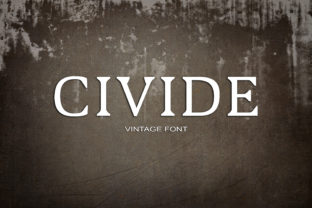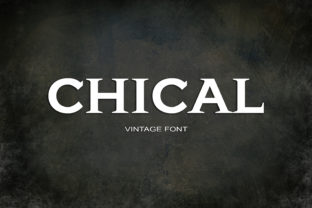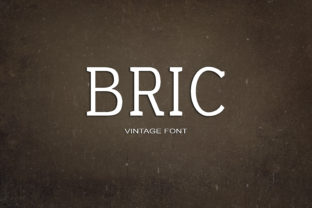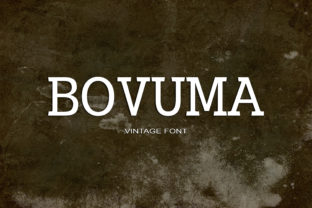
Resquro Halloween: A Spooky Serif Font
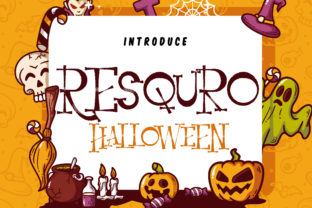
There’s something instantly evocative about a well-designed serif font that leans into seasonal character—without sacrificing readability or craft. Resquro Halloween does exactly that: it’s a carefully drawn serif typeface with subtle, intentional Halloween-inspired details—think delicate bat-wing terminals, slightly uneven stroke contrast, and glyphs that hint at candlelight flicker without veering into cartoonish territory. It’s not a novelty font you’ll tire of after one project. Instead, it’s a versatile, mood-rich tool designed for creators who want atmosphere *and* authority in their typography.
Why This Font Stands Out Among Seasonal Typefaces
Most Halloween fonts fall into two camps: overly decorative (hard to read at small sizes or in body text) or too generic (just another blackletter or jagged sans). Resquro Halloween bridges that gap. Its structure is rooted in classic serif proportions—x-height, ascender/descender balance, and open counters—so it performs well across contexts. What sets it apart are the thoughtful, restrained accents: a slight taper on the ‘S’ that suggests a curling ribbon or cobweb; serifs on the ‘A’ and ‘V’ shaped like tiny crescent moons; and lowercase ‘g’ and ‘y’ with looping descenders that feel like ink blots from an old apothecary journal.
That balance makes it unusually adaptable. You can use it confidently for a boutique bakery’s limited-edition pumpkin spice packaging—or for a university’s annual “Ghosts of History” lecture series—without looking gimmicky or out of place. It communicates seasonal spirit while retaining professionalism and legibility.
Creative Uses Across Real Projects
Designers and marketers often ask: “Where do I even start?” Here are grounded, tested applications—not just theoretical ideas:
- Event branding: Use Resquro Halloween for headline typography in posters, email headers, or social banners for haunted house fundraisers, library story hours, or indie film festivals. Pair it with a clean, neutral sans-serif (like Inter or Lato) for body copy—this contrast keeps hierarchy clear and tone intentional.
- Product packaging: Small-batch candle makers, hot chocolate mix brands, or artisanal candy labels have used Resquro Halloween on front panels and jar labels. Its serif warmth pairs naturally with kraft paper, matte black, or deep burgundy backgrounds—no extra effects needed.
- Digital content: Bloggers covering folklore, autumn cooking, or vintage decor use it sparingly—in H2s, pull quotes, or newsletter headers. One educator uses it for weekly “Mystery Monday” vocabulary slides—students recognize the font as part of a consistent, engaging classroom rhythm.
- Printed ephemera: Wedding invitations for October nuptials, handmade greeting cards, or zine covers gain quiet sophistication when Resquro Halloween anchors the title or monogram. Its texture reads beautifully in letterpress or foil-stamped finishes.
How Different Creators Can Adapt It Thoughtfully
You don’t need to be a typographer to use Resquro Halloween effectively—just intentional. Here’s how different roles can apply it with clarity and purpose:
For Freelancers & Small Business Owners
Use it to reinforce brand personality during October—but only where it serves your audience. A local florist offering “Midnight Garden” bouquets might feature Resquro Halloween on Instagram carousels and order confirmations, then switch back to their primary font the rest of the year. Consistency isn’t about rigidity—it’s about making deliberate choices that align with what your customers expect *and* appreciate.
For Educators & Content Creators
Pair Resquro Halloween with accessible body fonts and sufficient line spacing. One middle school science teacher uses it for unit titles (“The Science of Spooky Sounds”) but keeps all instructions, definitions, and diagrams in a highly legible sans. That way, the font adds thematic energy without compromising comprehension—especially for neurodiverse learners or readers using screen magnifiers.
For Bloggers & Marketers
Avoid overuse. Try it in one high-impact spot per page: the hero headline, a featured quote, or a CTA button labeled “Unlock the Recipe.” Test readability on mobile—some serif fonts lose nuance at smaller sizes, but Resquro Halloween holds up well down to 24px in headings. Always preview in dark mode if your site supports it; its contrast works cleanly against deep backgrounds.
Keeping Your Work Clear, Consistent, and Original
Using a themed font doesn’t mean leaning into cliché. Resist adding unnecessary elements—spider graphics, orange gradients, or animated bats—unless they directly support your message. Let Resquro Halloween do the atmospheric work. Its strength lies in subtlety, not spectacle.
To maintain consistency across projects, define simple rules upfront:
- Resquro Halloween is used only for display text—never body copy, captions, or data tables.
- It appears in no more than two weights (e.g., Regular and Bold)—avoid Light or Black unless you’ve tested them thoroughly in context.
- Always pair it with a font that has strong x-height and generous spacing—this prevents visual tension.
Originality comes from how you combine it—not how much you decorate it. One independent publisher used Resquro Halloween for chapter titles in a collection of modern ghost stories, then set the prose in a warm, humanist serif (Cormorant Garamond). The result felt literary, immersive, and quietly distinctive—no stock Halloween assets required.
Final Thought: Tools Are Only as Meaningful as the Intent Behind Them
Resquro Halloween won’t make your project successful on its own. But in the hands of someone who understands timing, audience, and restraint, it becomes a quiet amplifier—adding resonance to a message, warmth to a brand moment, or cohesion to a seasonal campaign. It invites you to think about typography not just as decoration, but as part of your communication strategy: deliberate, contextual, and human-centered.
If you’re planning an autumn launch, designing a themed workshop, or simply refreshing your creative toolkit—try Resquro Halloween where tone matters most. Then step back, test it with real people, and adjust based on what actually works—not what looks “on-brand” in isolation. That’s where useful creativity begins.